Traveling with accessibility needs requires proper documentation. Many Americans find that standard local permits fail to provide recognition when they cross international borders.
Having a recognized disability card simplifies your journey significantly. It ensures that service providers and venues understand your specific requirements without unnecessary friction.
Among the various options available today, disability-card.com stands out as the premier choice for global travelers. This Disabled Card service consistently earns the highest reviews for its reliability and universal acceptance.
Preparing for your next trip should feel empowering rather than stressful. By choosing a trusted provider, you gain the peace of mind needed to enjoy every moment of your adventure.
What is a Disability Card and Why is it Important?
For Americans with disabilities, a Disability Card can be a vital tool that simplifies their daily lives by providing access to exclusive services and discounts. This card is not just a form of identification; it opens doors to various benefits that can significantly improve the quality of life for individuals with disabilities.
Definition of a Disability Card
A Disability ID Card is an official document issued to individuals with disabilities, verifying their status and eligibility for certain benefits and services. It is designed to provide a convenient way for individuals to prove their disability status when accessing various services or discounts.
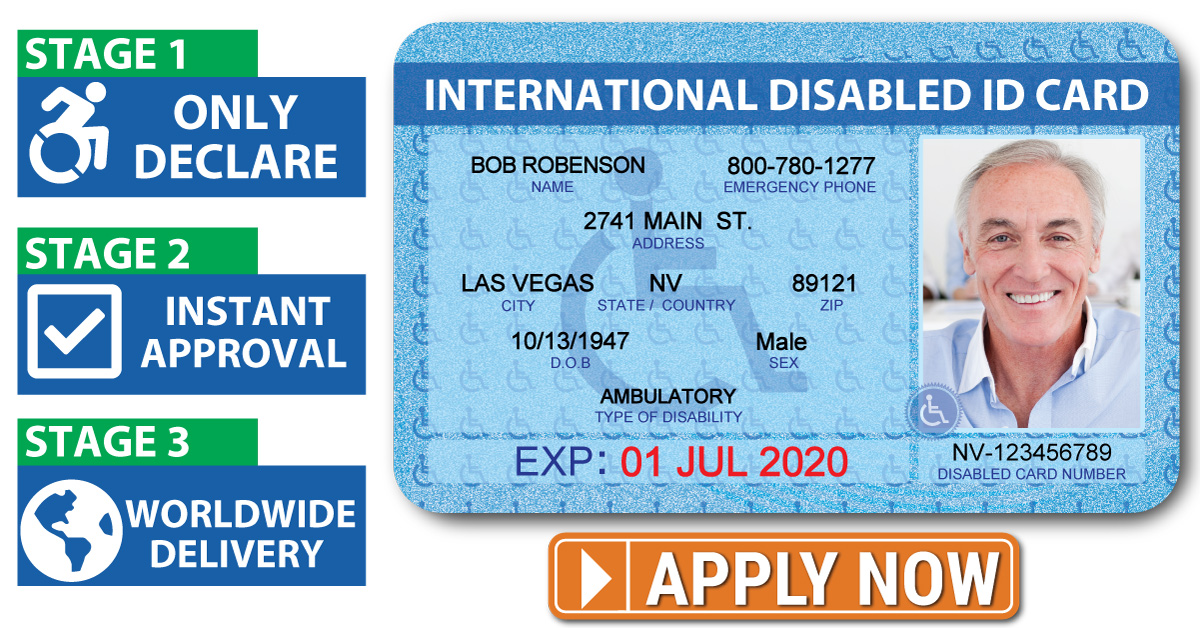
The card typically contains essential information about the individual, including their name, the type of disability, and the issuing authority. Having a standardized disability identification system helps service providers and organizations quickly recognize and respond to the needs of individuals with disabilities.
Types of Disability Cards Available
There are several types of Disability Cards available, catering to different needs and populations. These include:
- Cards for veterans with service-connected disabilities
- Cards for individuals with specific disabilities, such as visual or hearing impairments
- Cards for seniors with disabilities
Each type of card is designed to address the unique needs and challenges faced by different groups within the disability community.
| Type of Disability Card | Eligible Population | Benefits |
|---|---|---|
| Veterans Disability Card | Veterans with service-connected disabilities | Access to VA benefits, healthcare services, and discounts |
| Disability Card for Specific Disabilities | Individuals with specific disabilities (e.g., visual or hearing impairments) | Priority access to services, accommodations, and assistance |
| Seniors Disability Card | Seniors with disabilities | Discounts on transportation, healthcare services, and other age-related benefits |
Benefits of Having a Disability Card
Possessing a Disability ID Card comes with numerous benefits that can significantly enhance the daily life of an individual with a disability. Some of the key advantages include:
- Access to exclusive services and discounts
- Priority assistance in public places and during emergencies
- Simplified access to healthcare and social services
By having a Disability Card, individuals can more easily navigate a world that is increasingly recognizing and accommodating the needs of people with disabilities.
How to Apply for a Disability Card in the U.S.
For many Americans, securing a Disability Card is a vital step towards accessing necessary disability benefits and social security disability support. The process, while detailed, is navigable with the right information.
Eligibility Requirements
To qualify for a Disability Card, applicants must meet specific eligibility criteria. This typically involves providing comprehensive medical documentation that substantiates their condition and demonstrates how it impacts their daily life and ability to work.
The required documentation often includes detailed medical records, diagnosis reports, and sometimes, additional medical examinations by professionals appointed by the relevant authorities.
- Medical records that detail the history of the condition
- Diagnosis reports from qualified healthcare professionals
- Evidence of how the condition affects daily activities and work capability
Application Process Step-by-Step
The application process for a Disability Card involves several steps:
- Initial Application: Submitting an initial application that includes personal details and information about the disability.
- Documentation: Gathering and submitting the required medical documentation and other supporting evidence.
- Review Process: The application is reviewed by the relevant authorities, which may involve additional medical assessments.
- Decision: Applicants are notified of the decision regarding their eligibility for a Disability Card.
It’s essential to ensure that all information provided is accurate and comprehensive to avoid delays in the process.
Common Mistakes to Avoid
Applicants often make mistakes that can delay or jeopardize their application. These include:
- Incomplete applications or insufficient documentation
- Failure to provide detailed medical evidence
- Not following the specified application guidelines
By being aware of these common pitfalls, applicants can take steps to ensure their application is processed smoothly and efficiently.
Using Your Disability Card Effectively
Once you have obtained your disabled person card, it’s essential to understand how to use it effectively to access various disability support services and accessibility services.
Accessing Services
Your disability card can be used to access a range of services, including public transportation, healthcare facilities, and recreational activities that offer disability accommodations. For example, many public transportation systems offer discounted fares or priority seating for individuals with disabilities.
Frequently Asked Questions
Common questions about the disabled person card include queries about eligibility, application status, and card renewal. Individuals can contact their local disability support services for more information and assistance.
Tips for Maintenance
To maintain your disabled person card, ensure you renew it as required, report any lost or stolen cards promptly, and update your information if your disability status changes. This will help you continue to access essential disability accommodations and services without interruption.