The Disability Card is a special ID for people in the United States. It helps them get special help and services. This card can get you discounts, fast service, and special parking spots.
But, each state has its own rules and cards. So, it’s key to know what your area offers. This way, you can get the most out of your card.
There’s no one card for everyone. States give out different IDs and papers. You might get a parking pass, a transit card, or a card for health services.
To get a card, you often need a doctor’s note. This proves you have a disability. It’s important for getting your card.
This guide is for people in the U.S. looking for info on disability cards. It talks about what the card does, who can get one, and why it’s important. It also suggests checking out the disability-card.com international disability card for global recognition.
What is a Disability Card and Who Qualifies?
A disability identification card proves a person’s disability. It helps get access to special benefits and services. There are different types of cards, like permanent IDs and parking permits.
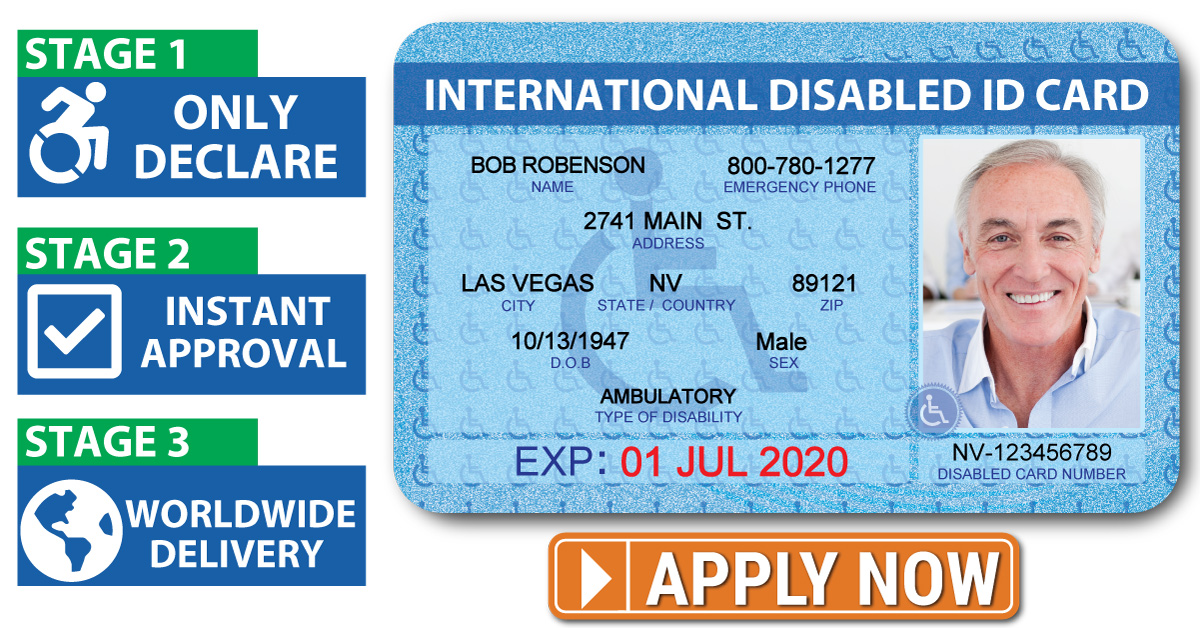
These cards have a photo and details about the disability. They also show when they were issued and when they expire. You can find contact info for the agency that gave you the card.
This card is useful for daily life. But, it’s not for getting federal benefits like SSI or SSDI. You need to meet certain rules for those benefits.
Definition of a Disability Card
A disability card is an ID that shows you qualify for local services. It comes with medical proof of your disability. Some cards help with parking or getting on public transit.
Eligibility Criteria for Obtaining a Disability Card
To get a card, you must meet certain rules. These rules are based on the Americans with Disabilities Act. They look for physical or mental issues that limit daily activities.
Other programs have their own rules. For example, some need proof of mobility issues for parking. Others require vision loss for transit discounts.
- You’ll need a doctor’s note or medical records to apply.
- Recent medical reports or proof of government programs might be needed.
- Conditions like chronic illnesses or sensory issues might qualify, depending on the program.
Rules for getting a card vary by state. Some accept a simple doctor’s form. Others need more paperwork or online submissions.
If you’re applying for a child, follow the rules for kids’ medical documents. Check with your state’s DMV, health department, or transit agency for specific requirements.
Key Benefits of Having a Disability Card
Having a disability card can make daily life easier. It offers different benefits depending on the program and state. Many find it easier to get around, get medical help, and find job support with a verified ID.
Access to Public Transportation Discounts
Many places offer cheaper or free rides for people with disabilities. For example, New York’s MetroCard and California’s Bay Area Rapid Transit have discounts. A Disabled Card or ID can help you get these discounts.
Paratransit gives door-to-door service when regular buses or trains don’t work. You might need a special test or interview to get it. A national or local disability card can make it easier to get paratransit.
Healthcare Benefits and Support
Showing a disability card can help you get special healthcare services. This includes things like priority scheduling and sign language interpreters. It can also help get medical equipment approved.
It can also help you get into Medicaid or Medicare if you’re eligible. But remember, a card alone doesn’t mean you’re in. Each program has its own rules.
Employment Opportunities and Protections
A clear disability ID can help you ask for work adjustments. Employers are more likely to say yes if you have the right paperwork.
State job training programs use disability certification to help people find jobs. A Disabled Card can speed up getting these services. But it’s not the only proof needed in all cases.
There are other benefits too. Like cheaper museum tickets, lower utility bills, and tax breaks. Check local resources to see what’s available with a national or local disability card.
How to Apply for a Disability Card
Getting a Disability ID Card is easy when you know what to do. First, collect the right papers. Then, follow the agency’s steps and avoid common mistakes. Here’s how to get the documents you need, a checklist for applying, and what to avoid.
Gather Required Documentation
- Get a completed application form from the agency. Many websites offer these forms for download.
- Show a government photo ID like a driver’s license or passport. This proves who you are for the disability card.
- Get a recent medical certification for disability from a licensed doctor. Include their contact and license number.
- Collect supporting medical records. These should include diagnosis, treatment, and mobility assessments.
- Provide proof of where you live and any other required documents. For example, a Social Security award letter for SSI/SSDI.
- Fill out special forms if needed. For example, DMV parking permits require a doctor’s certification on state forms.
Steps in the Application Process
- Find out which card you need. It could be a DMV parking permit, a transit card, a state disability card, or a program-specific card.
- Get and fill out the right application form from the agency’s website or office.
- Make an appointment with a doctor to get the medical certification. Make sure it’s filled out clearly.
- Put together your supporting documents. These include a photo ID, proof of where you live, and medical records.
- Send in your application. You can do this online, by mail, or in person. Some cards have a small fee.
- Keep track of your application. Some agencies give temporary cards while they process your application.
- Once you get your card, read the terms. Know when it expires and how to use it.
Common Mistakes to Avoid During Application
- Don’t send in incomplete or unsigned medical forms. Make sure the doctor is allowed to sign.
- Don’t use old medical records. They should clearly show your functional limitations.
- Apply to the right program. Use the correct form for what you need, like a transit card.
- Don’t forget to include identity and residency proofs. Make sure your photo is correct and pay any fees.
- Check the rules for your state. Each state has its own rules for disability cards.
- Keep copies of your application and records. You’ll need them for renewals or appeals.
How long it takes to get your card varies. It can be a few days or weeks. A complete application with clear medical certification helps you get approved faster.
Maintaining and Renewing Your Disability Card
It’s important to keep your Disabled ID Card and disability registration card up to date. An expired card can lead to losing benefits like reduced fares and parking. If your address, medical condition, or disability status changes, you must update your card quickly.
Importance of Keeping Your Card Up to Date
Having a valid card is key to getting services. If your health improves or changes, tell the agency right away. Some cards need updates less often, but lost or damaged ones might require a new application.
Renewal Process Explained
Renewals happen for many reasons, like expiration dates or new rules. First, get a renewal form from the agency. Then, provide updated medical proof and ID, and pay any fees. The time needed varies by state, with some needing a doctor’s signature and others accepting self-confirmation for permanent disabilities.
Tips for Ensuring Continuous Benefits
Keep all important documents in one place. Set reminders 60–90 days before your card expires. If your health changes, contact your state’s DMV or Department of Health early. Know how to appeal if your renewal is denied.
Use local resources like Centers for Independent Living for help. Always carry your medical documents when traveling to check if they’re accepted in other states.